Dai Ethnic Group
Introduction
The Dai ethnic group predominantly resides in Southwest China's Yunnan province. The Dai are renowned for their vibrant festivals, distinctive clothing, and intricate crafts, which reflect their deep-rooted traditions and customs. As a community, they have maintained their cultural identity while adapting to the modern world.
History
Origins
The Dai ethnic group is considered to be one of the Tai peoples who migrated from the southern part of China and Southeast Asia. Over the centuries, the Dai have developed a unique cultural identity, influenced by their interactions with various neighboring cultures. Their migration patterns and settlements have played a crucial role in forming their distinct cultural and social structures.
Historical Development
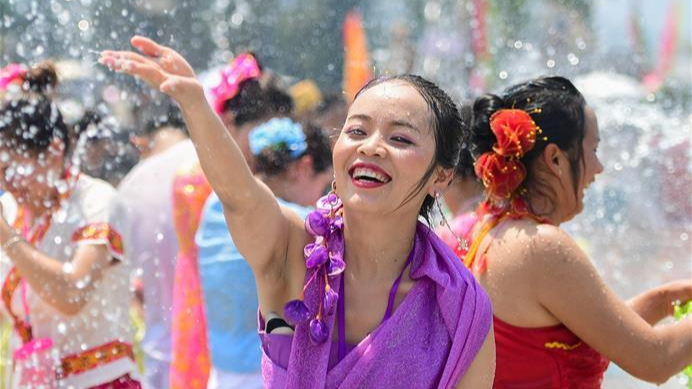
Throughout history, the Dai people have experienced various phases of development and transformation. They have been influenced by the religious and cultural practices of neighboring regions, including Brahmanism and Buddhism, which have played a significant role in shaping their spiritual and cultural life. The introduction of the Water-splashing Festival around the end of the 13th century to the beginning of the 14th century is one example of such cultural exchanges. This festival, originating as a religious ritual, has been embraced and adapted by the Dai, becoming an integral part of their New Year celebrations.
Geography
Distribution
The Dai Ethnic Group is primarily distributed across the southern part of Yunnan province in China. They inhabit regions such as Xishuangbanna Dai autonomous prefecture and Dehong Dai and Jingpo autonomous prefecture, which are known for their lush landscapes and rich biodiversity. The Dai community also extends into neighboring countries like Myanmar, Laos, and Thailand, forming a transnational cultural group.
Environment
The environment in the regions inhabited by the Dai is characterized by tropical and subtropical climates, providing fertile grounds for agriculture and supporting diverse ecosystems. These areas are rich in natural resources, including abundant sunlight, fresh water sources, and fertile soil, which contribute to the agricultural lifestyle of the Dai people.
Language
The Dai language belongs to the Tai-Kadai language family, which is widely spoken across Southeast Asia. It is characterized by its tonal nature, where the meaning of words can change based on pitch variations. The Dai language comprises several dialects, reflecting the diverse cultural influences and regional variations within the Dai community. These dialects can vary significantly from one region to another, influenced by geographical separation and interactions with neighboring ethnic groups. Despite these differences, the dialects share a common linguistic foundation that unites the Dai people.
Culture
Traditional Clothing
Traditional Dai clothing is renowned for its vibrant colors and intricate designs. The attire typically includes elegant fabrics adorned with elaborate embroidery and brocade, showcasing the exceptional craftsmanship of the Dai people. Clothing styles vary between men and women, with women often wearing fitted blouses and long skirts, while men don shirts and trousers. Each garment reflects the cultural heritage and artistic expression of the Dai, with patterns and motifs inspired by nature and religious symbolism.
Festivals
Festivals play a vital role in the cultural life of the Dai. The Water-splashing Festival is one of the most prominent celebrations, marking the Dai New Year. This lively event involves various activities such as water splashing, dragon boat racing , and cultural performances like peacock dancing. It is a time of joy and renewal, where the Dai people come together to cleanse themselves of past misfortunes and welcome a prosperous new year.
Cuisine
Dai cuisine is a reflection of the region's abundant natural resources and the community's innovative culinary traditions. Fresh ingredients, spices, and herbs are integral to their cooking, with dishes like nanpie, a sauce-like creation, showcasing the unique flavors of Dai food. The cuisine is characterized by its bold and varied flavors, often combining sweet, sour, and spicy elements. Traditional cooking methods and recipes have been passed down through generations, preserving the culinary heritage of the Dai people.
Arts and Crafts
The Dai are known for their exquisite arts and crafts, which include embroidery, weaving, and traditional music. Embroidery is a particularly revered craft, with creations depicting scenes from nature and daily life. Techniques and patterns, passed down through generations, reflect the rich artistic heritage of the Dai. The craft of embroidery, known for its vibrant colors and intricate designs, has been recognized as a state-level intangible cultural heritage item.
Cultural Preservation and Promotion
The preservation and promotion of Dai culture are of utmost importance to the community. Efforts are made to safeguard their intangible cultural heritage, including traditional festivals, crafts, and language. Educational programs and cultural initiatives aim to pass on traditional knowledge to younger generations, ensuring the continuity of Dai cultural identity.








